
Preparing for Possible Invasions and National Emergencies: How Citizens Can Build Resilience Before a Crisis

Introduction: Why Preparation Matters
The word “invasion” often brings images of armies crossing borders, military forces moving through cities, and large-scale warfare. However, modern security crises can take many forms. A nation’s stability can be challenged by military conflicts, cyberattacks, terrorism, economic disruption, mass migration events, natural disasters, or failures of critical infrastructure.
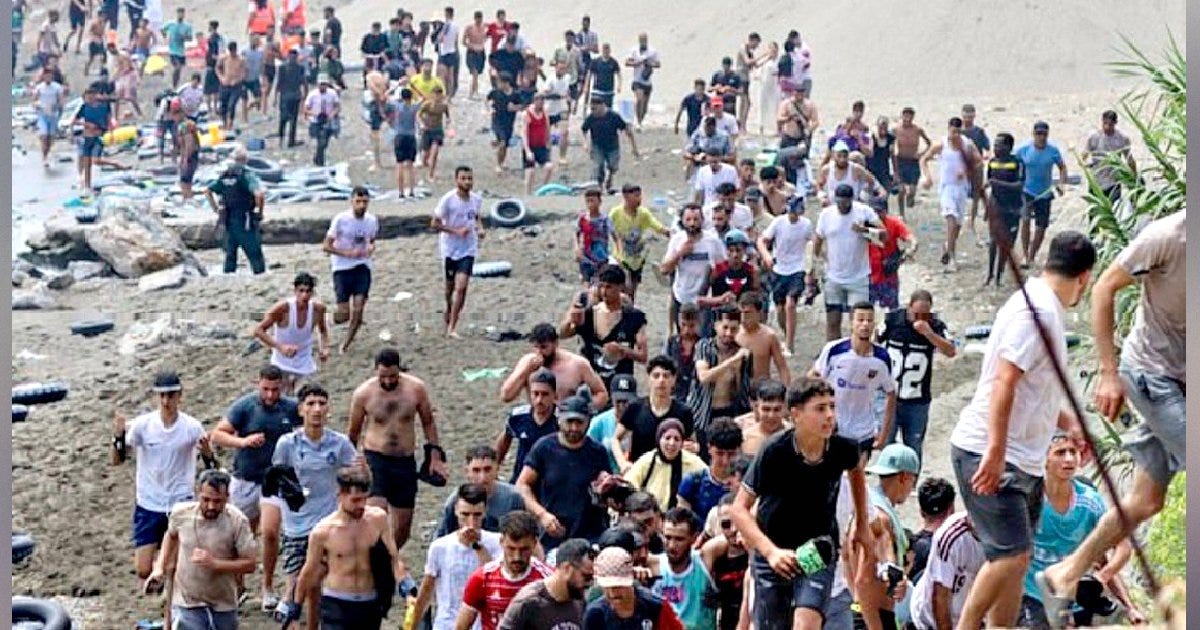
Recent events in Spain have renewed discussions about border security, national sovereignty, and how governments respond when large numbers of people suddenly cross into a territory. Spain has faced challenges involving its borders, including situations where local authorities have been forced to respond quickly to sudden population movements and humanitarian pressures. These events demonstrate an important lesson: unexpected situations can place enormous stress on communities and government resources.
While these situations are not the same as a traditional military invasion, they highlight a broader point: societies can face sudden emergencies that overwhelm normal systems. The same principle applies anywhere in the world. Prepared citizens are better able to protect themselves, support their families, assist their communities, and reduce pressure on emergency services.
Preparedness is not about panic. It is about responsibility, planning, and resilience.
Understanding Modern Threats
Traditional Military Invasions
A military invasion is the most obvious form of national security crisis. Throughout history, invasions have disrupted societies by damaging infrastructure, interrupting supply chains, and creating instability.
A major conflict can affect:
Transportation networks
Food supplies
Fuel availability
Communications
Banking systems
Medical services
Public safety operations
Although a direct invasion may be unlikely in many countries, responsible citizens should understand that governments prepare for worst-case scenarios, and individuals can also improve their own readiness.

Other Forms of Crisis That Can Affect a Nation
Large-Scale Border Emergencies
Large movements of people across borders can create serious challenges for communities.
Sudden population increases can place pressure on:
Emergency shelters
Hospitals
Police departments
Transportation systems
Food distribution networks
Local governments
The situation in Spain demonstrates how quickly a local area can become overwhelmed when a sudden crisis develops. The lesson for citizens around the world is that communities should have plans for unexpected events.

Cyberattacks
A modern conflict does not always begin with troops or weapons. A nation may face attacks against its digital systems.
Cyberattacks can target:
Electrical grids
Water systems
Banking networks
Government services
Communication systems
Transportation systems
A successful cyberattack could temporarily disrupt daily life, making personal preparedness extremely important.
Citizens should consider:
Keeping backup copies of important documents
Maintaining emergency communication methods
Having alternative ways to access information
Preparing for temporary loss of online services
Economic Warfare and Supply Disruptions
Modern conflicts can affect people without a single shot being fired.
Economic disruptions can lead to:
Higher prices
Fuel shortages
Product shortages
Supply chain problems
Job instability
Families that maintain emergency supplies and financial preparedness are often able to handle these challenges better.
Civil Disorder and Domestic Emergencies
A crisis can also develop from events within a country.
Examples include:
Large-scale protests becoming violent
Terror attacks
Infrastructure failures
Natural disasters
Public health emergencies
Regional conflicts
The preparation methods remain similar regardless of the cause.

The Foundation of Personal Preparedness
Build an Emergency Supply
A prepared household should maintain enough supplies to function during a disruption.
Important categories include:
Water
Food
Ammunition
Medical supplies
Firearms
Lighting
Communication equipment
Hygiene supplies
Emergency tools
A strong preparedness plan begins with the basics.
Water Preparedness
Water is the most important survival resource.
Citizens should consider:
Storing emergency drinking water
Having water purification methods
Keeping portable filters available
Learning how to safely collect and treat water
A short-term emergency supply is a good starting point, but longer-term storage provides greater security.

Food Storage
Emergency food should focus on:
Long shelf life
Easy preparation
Good nutrition
Foods your family already eats
Examples include:
Canned foods
Rice
Beans
Pasta
Freeze-dried meals
Shelf-stable foods
Cooking supplies
Avoid creating a food supply that depends entirely on electricity or complicated preparation.

Emergency Communication Planning
One of the biggest problems during any major crisis is losing access to reliable information.
Families should have multiple communication options.
Consider:
Battery-powered radios
Emergency weather radios
Backup phone chargers
Power banks
Written contact lists
Amateur radio can also provide an independent communication method during emergencies when traditional systems fail.
Reliable communication helps people make better decisions.

Developing Situational Awareness
Prepared citizens pay attention to their surroundings without becoming fearful.
Situational awareness means noticing:
Changes in your community
Emergency announcements
Weather conditions
Infrastructure problems
Unusual activity
The goal is not to assume danger everywhere. The goal is to recognize problems early and respond appropriately.
Preparing Your Home
Your home should provide safety and stability during a crisis.
Home Security
Important considerations include:
Strong doors
Quality locks
Exterior lighting
Secure windows
Alarm systems
Fire extinguishers
Security begins with prevention.

Backup Power
Modern life depends heavily on electricity.
Consider preparing with:
Battery backup systems
Solar chargers
Portable power stations
Emergency lighting
Backup generators
Power preparation can help maintain communication, refrigeration, medical equipment, and basic household functions.
Financial Preparedness
During emergencies, financial systems may experience disruptions.
Preparation includes:
Maintaining emergency savings
Keeping some cash available
Reducing unnecessary debt
Protecting important documents
Important records should include:
Identification documents
Insurance information
Medical records
Property information
Store copies in a safe location.

Creating a Family Emergency Plan
Every household should have a plan.
Families should know:
Where to meet
How to communicate
Where emergency supplies are stored
What evacuation routes to use
Practice the plan so everyone understands what to do.
A plan that exists only in your head may fail during a stressful event.
Learning Practical Survival Skills
Equipment is useful, but knowledge is even more valuable.
Important skills include:
First Aid
Learn:
CPR
Basic wound treatment
Emergency response
Navigation
Learn how to:
Read maps
Navigate without GPS
Understand your local area
Food Production
Consider learning:
Gardening
Food preservation
Seed saving
Basic agricultural skills
Mechanical Skills
Useful skills include:
Vehicle maintenance
Basic repairs
Tool operation
Home maintenance
Skills increase independence.

Avoiding Panic and Misinformation
During any crisis, rumors can spread quickly.
Prepared citizens should:
Verify information
Avoid spreading unconfirmed reports
Listen to reliable emergency sources
Make decisions based on facts
Fear can lead to poor choices.
A calm and prepared person is more capable during emergencies.
Community Preparedness
Communities are stronger when citizens work together.
Neighbors can help by:
Checking on elderly residents
Sharing resources
Providing skills
Organizing assistance
A prepared individual can survive a crisis. A prepared community can recover from one.

The Role of Citizens and Government
Emergency preparedness works best when citizens and government agencies work together.
Governments provide:
National defense
Emergency response
Infrastructure support
Public safety services
Citizens provide:
Personal preparation
Responsible behavior
Community assistance
Reduced dependence on emergency systems
A strong nation is built from prepared communities.
Preparing Without Living in Fear
History shows that unexpected events happen. Nations experience wars, disasters, economic problems, and social disruptions.
The goal of preparedness is not to live in fear. The goal is to be capable.
Prepared citizens:
Plan ahead
Stockpile ammunition
Stockpile firearms
Practice with firearms
Maintain supplies
Learn valuable skills
Protect their families
Support their communities
Whether a crisis comes from a natural disaster, cyberattack, economic disruption, border emergency, or military conflict, the fundamentals remain the same.
Preparedness creates confidence. Planning creates resilience. A society made up of prepared citizens is better equipped to face whatever challenges come next.